Office-Based vs. Home-Based VAs: Why It Matters for Security & Reliability

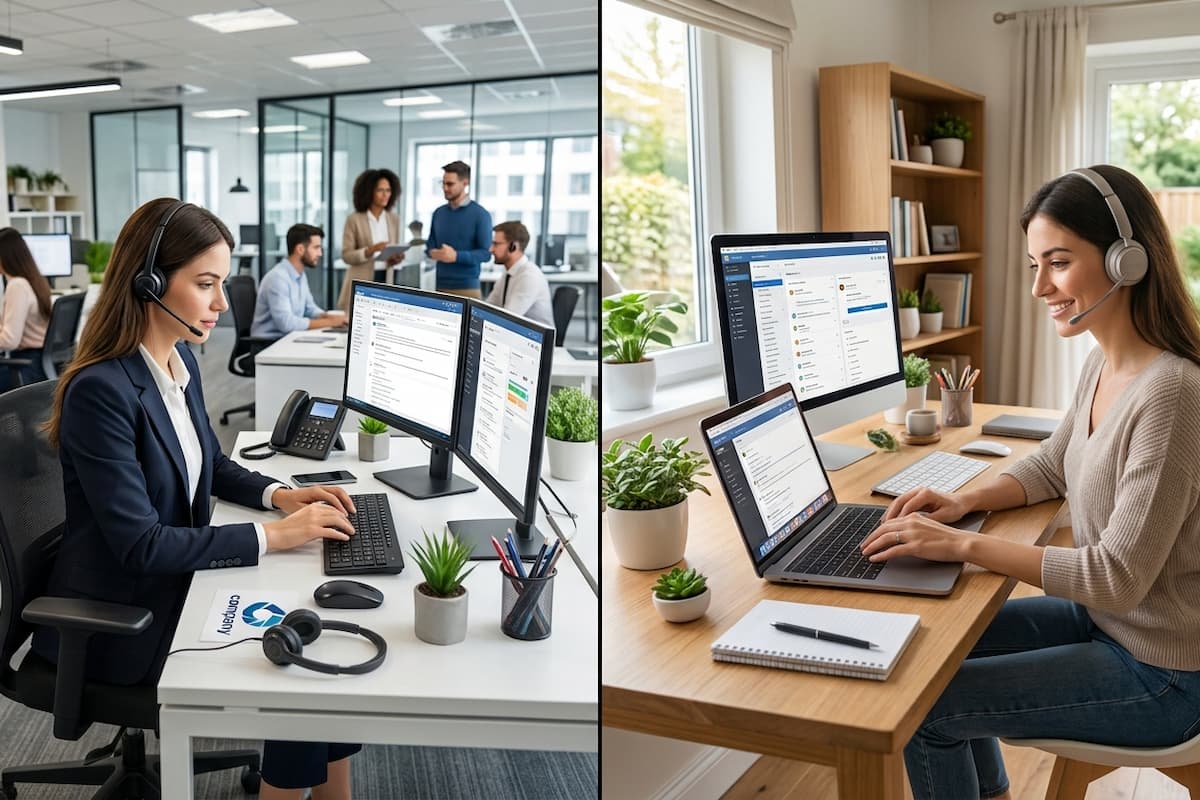
Not all virtual assistants work the same way. Office-based vs. home-based virtual assistants can differ significantly in how they handle business data, maintain reliable connectivity, and provide consistent support. Where your virtual assistant works from is not simply a matter of preference or appearance — it can directly affect your business’s security, reliability, and ability to keep important workflows running.

For businesses that depend on virtual assistants for customer support, administration, scheduling, data entry, or other critical tasks, the working environment behind that support deserves careful consideration.

Office-Based vs. Home-Based Virtual Assistants: What’s the Real Difference?

A home-based virtual assistant can be a convenient and cost-effective option, particularly when working with an independent freelancer. However, the business may have limited visibility or control over the infrastructure being used to perform the work.

Many independent freelance VAs work from personal computers, home internet connections, and household networks. These setups are not necessarily insecure, but they can introduce operational risks that businesses should consider.

Some common challenges include:

  • Limited security controls: Personal devices and home networks may not have the same firewalls, endpoint protection, encryption, or access controls used in managed business environments.
  • Limited IT oversight: An independent freelancer may not have a dedicated IT team monitoring systems for malware, phishing attempts, unauthorized access, or other security threats.
  • Inconsistent infrastructure: Internet interruptions, power outages, hardware problems, or ISP issues can prevent a VA from working when support is needed.
  • Single-person dependency: If a freelancer becomes sick, loses connectivity, or is unexpectedly unavailable, there may be no trained replacement ready to take over.
  • Shared devices: Personal computers used for both business and household activities can create additional security and privacy considerations.

None of these factors automatically mean that a home-based virtual assistant is unsuitable. However, they highlight why businesses should look beyond a VA’s skills and rates when evaluating their options.

Virtual Assistant Security: Why the Working Environment Matters

Virtual assistant security is particularly important when assistants handle customer information, business documents, account credentials, databases, financial information, or other sensitive data.

A secure working environment requires more than simply asking an assistant to use a strong password. Businesses also need to consider how devices are managed, how networks are protected, who has access to company systems, and how potential security incidents are detected and addressed.

An office-based, managed VA environment can provide greater control over these areas. Business-owned equipment, managed networks, access policies, system monitoring, and dedicated IT support can help create a more consistent security framework.

For companies handling sensitive information, this additional layer of oversight can make a meaningful difference.

What an Office-Based Virtual Assistant Offers

An office-based virtual assistant works within a structured professional environment where infrastructure, security, and operational processes can be managed centrally.

At 250VA, our virtual assistants work from secure, enterprise-grade office facilities rather than relying entirely on individual home setups. This approach is designed to reduce operational risks while giving clients greater consistency and accountability.

Key advantages include:

Managed Technology and Infrastructure

Office-based teams can operate using managed networks, business equipment, endpoint monitoring, and defined security procedures. This creates a more controlled environment for accessing business systems and handling company information.

Dedicated IT and Quality Oversight

A managed team can provide dedicated technical support and operational oversight. System administrators and team leads can help monitor performance, address technical issues, and maintain established processes.

Backup Coverage

One of the biggest differences between an individual freelancer and a managed VA team is what happens when the primary assistant is unavailable.

With a managed team, a trained secondary assistant can step in when required. Instead of an unexpected absence bringing a workflow to a standstill, responsibilities can continue with minimal disruption.

A Focused Working Environment

Professional office environments provide structured working conditions with fewer of the household interruptions that can affect a home-based setup. Assistants can work defined shifts and follow established processes designed around consistent service delivery.

Reliability and Business Continuity

Security is only one part of the equation. Reliability matters just as much when a virtual assistant is responsible for daily business operations.

A home-based VA may be excellent at their job, but their ability to work can still depend on circumstances outside their control. A power outage, internet failure, damaged laptop, or unexpected personal emergency can immediately affect your business.

A managed office framework distributes this risk across the provider and the wider team. Instead of relying entirely on one person’s equipment, connectivity, and availability, businesses have access to organizational infrastructure and backup support.

This is especially valuable for companies with recurring administrative tasks, customer-facing responsibilities, strict deadlines, or workflows that cannot simply stop when one person is unavailable.

The Bottom Line

Office-based vs. home-based virtual assistants is not simply a question of where someone sits while working. It is a question of the infrastructure, security, oversight, and backup systems supporting your business operations.

A capable home-based virtual assistant can provide excellent support, but businesses should understand the operational environment behind that service. For organizations handling sensitive data or depending on consistent daily support, an office-based managed VA model can provide additional layers of security, accountability, and reliability.

Before choosing a virtual assistant provider, consider more than skills and hourly rates. Look at how your data is protected, how systems are managed, what happens when your primary assistant is unavailable, and whether the provider has the infrastructure to support your business as it grows.

Ready to see what a managed office-based team can do for your business? Learn how 250VA works or get in touch with our team today.


Recent Highlights

0%

Not all virtual assistants work the same way. Office-based vs. home-based virtual assistants can differ significantly in how they handle business data, maintain reliable connectivity, and provide consistent support. Where your virtual assistant works from is not simply a matter of preference or appearance — it can directly affect your business’s security, reliability, and ability to keep important workflows running.

For businesses that depend on virtual assistants for customer support, administration, scheduling, data entry, or other critical tasks, the working environment behind that support deserves careful consideration.

Office-Based vs. Home-Based Virtual Assistants: What’s the Real Difference?

A home-based virtual assistant can be a convenient and cost-effective option, particularly when working with an independent freelancer. However, the business may have limited visibility or control over the infrastructure being used to perform the work.

Many independent freelance VAs work from personal computers, home internet connections, and household networks. These setups are not necessarily insecure, but they can introduce operational risks that businesses should consider.

Some common challenges include:

  • Limited security controls: Personal devices and home networks may not have the same firewalls, endpoint protection, encryption, or access controls used in managed business environments.
  • Limited IT oversight: An independent freelancer may not have a dedicated IT team monitoring systems for malware, phishing attempts, unauthorized access, or other security threats.
  • Inconsistent infrastructure: Internet interruptions, power outages, hardware problems, or ISP issues can prevent a VA from working when support is needed.
  • Single-person dependency: If a freelancer becomes sick, loses connectivity, or is unexpectedly unavailable, there may be no trained replacement ready to take over.
  • Shared devices: Personal computers used for both business and household activities can create additional security and privacy considerations.

None of these factors automatically mean that a home-based virtual assistant is unsuitable. However, they highlight why businesses should look beyond a VA’s skills and rates when evaluating their options.

Virtual Assistant Security: Why the Working Environment Matters

Virtual assistant security is particularly important when assistants handle customer information, business documents, account credentials, databases, financial information, or other sensitive data.

A secure working environment requires more than simply asking an assistant to use a strong password. Businesses also need to consider how devices are managed, how networks are protected, who has access to company systems, and how potential security incidents are detected and addressed.

An office-based, managed VA environment can provide greater control over these areas. Business-owned equipment, managed networks, access policies, system monitoring, and dedicated IT support can help create a more consistent security framework.

For companies handling sensitive information, this additional layer of oversight can make a meaningful difference.

What an Office-Based Virtual Assistant Offers

An office-based virtual assistant works within a structured professional environment where infrastructure, security, and operational processes can be managed centrally.

At 250VA, our virtual assistants work from secure, enterprise-grade office facilities rather than relying entirely on individual home setups. This approach is designed to reduce operational risks while giving clients greater consistency and accountability.

Key advantages include:

Managed Technology and Infrastructure

Office-based teams can operate using managed networks, business equipment, endpoint monitoring, and defined security procedures. This creates a more controlled environment for accessing business systems and handling company information.

Dedicated IT and Quality Oversight

A managed team can provide dedicated technical support and operational oversight. System administrators and team leads can help monitor performance, address technical issues, and maintain established processes.

Backup Coverage

One of the biggest differences between an individual freelancer and a managed VA team is what happens when the primary assistant is unavailable.

With a managed team, a trained secondary assistant can step in when required. Instead of an unexpected absence bringing a workflow to a standstill, responsibilities can continue with minimal disruption.

A Focused Working Environment

Professional office environments provide structured working conditions with fewer of the household interruptions that can affect a home-based setup. Assistants can work defined shifts and follow established processes designed around consistent service delivery.

Reliability and Business Continuity

Security is only one part of the equation. Reliability matters just as much when a virtual assistant is responsible for daily business operations.

A home-based VA may be excellent at their job, but their ability to work can still depend on circumstances outside their control. A power outage, internet failure, damaged laptop, or unexpected personal emergency can immediately affect your business.

A managed office framework distributes this risk across the provider and the wider team. Instead of relying entirely on one person’s equipment, connectivity, and availability, businesses have access to organizational infrastructure and backup support.

This is especially valuable for companies with recurring administrative tasks, customer-facing responsibilities, strict deadlines, or workflows that cannot simply stop when one person is unavailable.

The Bottom Line

Office-based vs. home-based virtual assistants is not simply a question of where someone sits while working. It is a question of the infrastructure, security, oversight, and backup systems supporting your business operations.

A capable home-based virtual assistant can provide excellent support, but businesses should understand the operational environment behind that service. For organizations handling sensitive data or depending on consistent daily support, an office-based managed VA model can provide additional layers of security, accountability, and reliability.

Before choosing a virtual assistant provider, consider more than skills and hourly rates. Look at how your data is protected, how systems are managed, what happens when your primary assistant is unavailable, and whether the provider has the infrastructure to support your business as it grows.

Ready to see what a managed office-based team can do for your business? Learn how 250VA works or get in touch with our team today.

Premium virtual assistant services for founders and growing teams. We become an extension of your business   organized, discreet, and always a step ahead.

A Preeminent Technology Company

Contact Us

1702 N. Collins Blvd,
Suite 250, Richardson,
TX 75080

Copyright © 2026, 250VA. All Rights Reserved.